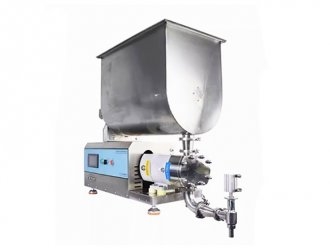

A semi automatic sauce filling machine is a practical solution for small and medium-sized food manufacturers that need flexible, quantitative filling for sauces, pastes, and other viscous products. Choosing the right model depends on your material characteristics, filling volume, container dimensions, and production requirements.
The STG Series Semi-Automatic Filling Machine features a servo motor and PLC pulse control system and is designed for flexible filling applications. This guide explains its features, suitable sauce types, model selection, and the key information you should prepare before requesting a quotation.
1. Semi Automatic Sauce Filling Machine Overview
A semi automatic sauce filling machine is designed for filling sauces, pastes, and other suitable liquid or viscous materials into bottles, jars, and containers. It is commonly considered by small and medium-sized food manufacturers, sauce processing workshops, and businesses that require flexible production and convenient operation.
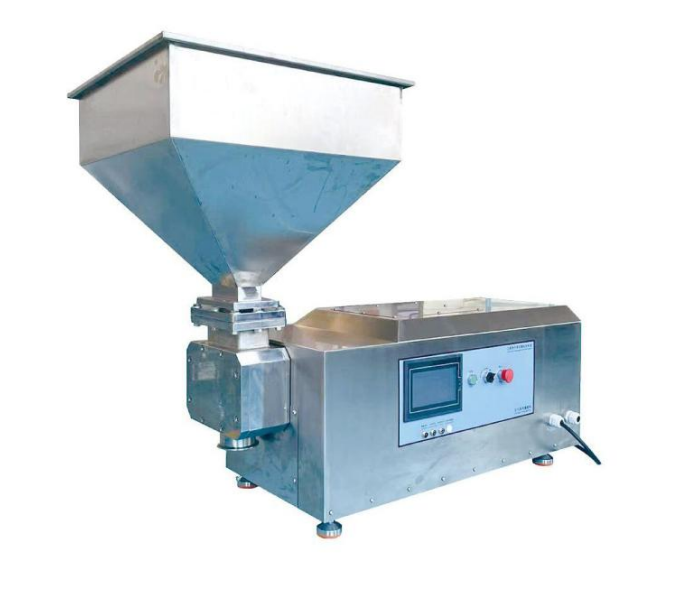
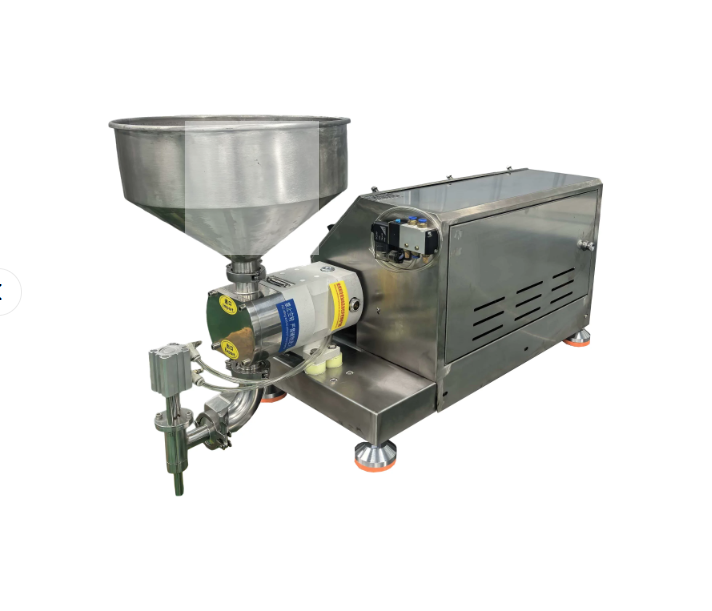
The STG Series Semi-Automatic Filling Machine uses a servo motor and PLC pulse control system to support stable, quantitative filling. Its piston-type anti-drip filling valve helps reduce dripping after filling, keeping the filling process cleaner.
The machine’s suitability depends on the material’s viscosity, filling volume, container opening, and production requirements. The appropriate configuration should be confirmed before ordering.
Key Features
- Servo motor and PLC pulse control: Supports controlled, quantitative filling.
- Piston-type anti-drip filling valve: Helps reduce material dripping after filling.
- Flexible starting options: Supports external starting methods such as a foot switch and compatible sensors, depending on the configuration.
- Multiple model options: Different STG models provide different motor powers, nozzle diameters, and machine dimensions.
- Versatile applications: Can be evaluated for suitable liquid, sauce, and paste products according to their material characteristics.
2. Suitable Sauce Types
The STG Series can be evaluated for a range of sauces and viscous food products. The final machine configuration should be selected according to the material’s viscosity, particle size, temperature, filling volume, and container design.
Chili Sauce
For chili sauce manufacturers, filling requirements depend on the sauce’s thickness and whether it contains chili pieces, seeds, or other solid particles.
Before selecting a machine, confirm that the nozzle diameter and material passage are suitable for the product. A material test is recommended for sauces containing solid ingredients.
Tomato Sauce
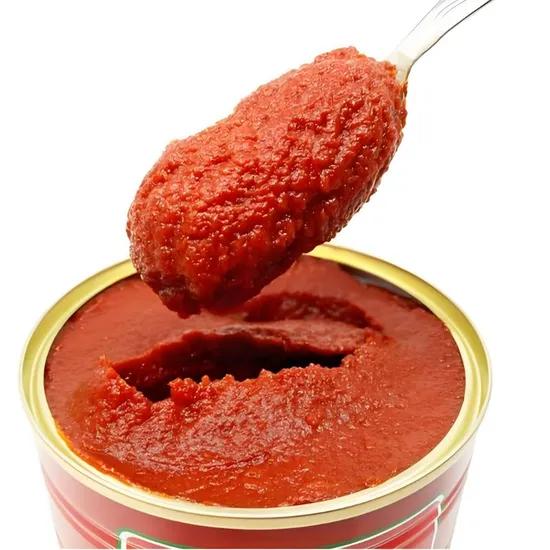
The STG Series can be evaluated for tomato sauce, ketchup, and similar products. The appropriate configuration depends on the sauce’s consistency, required filling quantity, container opening, and production requirements.
Thick Sauces and Pastes
Depending on their characteristics, products such as sesame paste, peanut butter, and other viscous pastes may also be suitable for evaluation.
For materials with particularly high viscosity or poor flowability, the material handling method and machine configuration should be confirmed through testing.
Other Potential Applications
Subject to material compatibility, the STG Series may also be considered for selected products such as honey, salad dressing, and other liquid or paste materials.
Before choosing a machine, provide a sample or a detailed description of the material so that the filling method and configuration can be evaluated.
3. How to Choose an STG Series Model
Choosing the right STG model requires more than comparing machine dimensions or motor power. The main factors are the required filling quantity, material characteristics, nozzle size, target filling accuracy, and expected production output.
STG Series Model Specifications
| Model | Motor Power | Nozzle Diameter | Machine Dimensions (L × W × H) | Weight |
|---|---|---|---|---|
| STG-5 | 0.75 kW | 25 mm | 63 × 32 × 32 cm | 48 kg |
| STG-10 | 0.75 kW | 32 mm | 65 × 32 × 32 cm | 50 kg |
| STG-20 | 2.0 kW | 38 mm | 80 × 35 × 32 cm | 75 kg |
| STG-35 | 2.6 kW | 51 mm | 90 × 38 × 32 cm | 100 kg |
| STG-60 | 3.8 kW | 63 mm | 110 × 48 × 42 cm | 185 kg |
| STG-120 | 5.5 kW | 89 mm | 120 × 55 × 45 cm | 236 kg |
Note: The specifications above are provided for preliminary comparison. Confirm the available filling range, filling accuracy, and actual configuration with the manufacturer before ordering.
How to Select the Right Model
1. Confirm the Required Filling Volume
Determine how much sauce needs to be filled into each bottle, jar, or container. If you need to handle different container sizes, provide the full range of required filling volumes.
2. Evaluate Material Viscosity
Thin liquids, thick sauces, and pastes have different flow characteristics. A viscous material may require a suitable material passage or a different configuration.
3. Check the Nozzle Diameter
The nozzle must be compatible with both the material and the container opening. If the sauce contains solid particles, confirm that the nozzle and material passage can accommodate them.
4. Define the Required Filling Accuracy
Actual filling accuracy depends on the material, filling quantity, operating conditions, and machine configuration. Provide your target filling tolerance so the manufacturer can evaluate its feasibility.
5. Consider Production Output
Estimate how many containers you need to fill per hour or per day. This helps determine whether the selected machine can meet your production schedule.
Do not select a model based on nozzle diameter or motor power alone. Your material, filling volume, container dimensions, and expected output should all be considered together.
Is a Semi-Automatic Sauce Filling Machine Right for Your Business?
A semi-automatic sauce filling machine is a practical option for small and medium-sized manufacturers that handle multiple products, small batches, and flexible production schedules.
Typical users include small food workshops, regional sauce processors, and startups with relatively low daily output, irregular orders, and frequent changes in sauce varieties or packaging sizes.
Key Advantages
- Affordable Initial Investment: Suitable for businesses looking to control equipment costs when starting or expanding production.
- Compact Footprint: Requires less installation space and fits well in small and medium-sized workshops.
- Easy Operation: Operators manually position empty containers and remove filled containers while the machine performs the filling process.
- Flexible Product Handling: Can be configured for different suitable sauces and pastes, subject to material compatibility.
- Convenient Production Changes: Suitable for small-batch orders, product trials, and production schedules that change according to customer demand.
- Manageable Maintenance: A relatively straightforward operating process helps simplify routine maintenance.
What Should You Consider?
Because operators participate in container handling, production capacity depends partly on manual work and the filling process. For businesses with frequent orders or multiple packaging sizes, it is important to plan labor, container handling, and changeover time carefully.
As production grows, evaluate whether the machine’s actual output continues to meet your requirements.
A semi-automatic sauce filling machine may be suitable if:
- Your daily production volume is relatively low or moderate.
- You process several types of sauces or pastes.
- Your orders vary in quantity or packaging specifications.
- You need to control initial equipment investment.
- Your workshop has limited installation space.
- You require flexibility for small-batch production and product testing.
The STG Series can be evaluated according to your sauce characteristics, filling volume, container dimensions, and expected output.
4. Parameters to Confirm Before Choosing a Machine
To recommend a suitable semi automatic sauce filling machine, please prepare the following information.
1. Material Name
What product do you need to fill? For example, chili sauce, tomato sauce, sesame paste, peanut butter, or another sauce.
2. Material Characteristics
Is the material thin, thick, sticky, or particle-filled? Please specify whether it contains seeds, chili pieces, or other solid ingredients.
3. Filling Volume
What is the required filling quantity per container? For example, 100 ml, 250 ml, 500 ml, or 1,000 ml.
4. Container Type
Are you filling bottles, jars, buckets, or other containers? Please provide the container opening diameter if available.
5. Production Capacity
How many containers do you need to fill per hour or per day?
6. Filling Accuracy
Do you have a target filling tolerance or a specific filling standard?
7. Power Supply and Installation Conditions
Please confirm your local voltage and frequency, as well as the available installation space.
Providing these details helps us evaluate the appropriate STG model and identify any configuration requirements before quotation.
5. Get a Quote for the STG Series Semi-Automatic Filling Machine
Looking for a semi automatic sauce filling machine for chili sauce, tomato sauce, or other viscous products?
Contact us with your material details and packaging requirements. Our team can review your application and recommend a suitable STG Series configuration.
Information to Include in Your Inquiry
- Product or sauce name
- Filling volume per container
- Container type and opening size
- Required production capacity
- Material viscosity and particle information
- Destination country and power supply
WhatsApp: +86 133 1327 8829
Email: sales@lanxin-filling.com
You can also send product photos, container photos, or a short video of the material to help us evaluate your application.
Contact us to discuss your filling requirements and request a quotation for the STG Series Semi-Automatic Filling Machine.