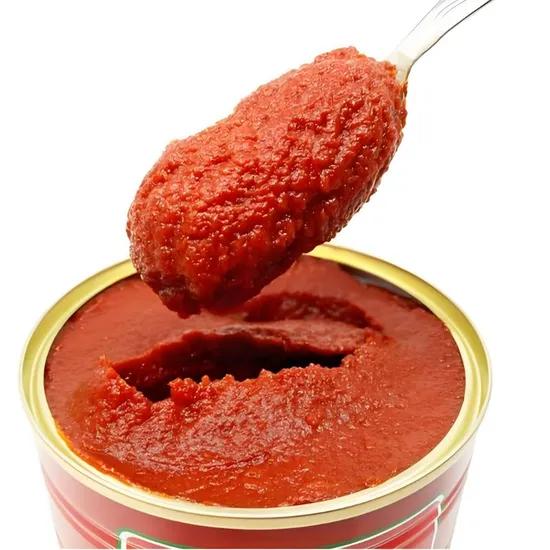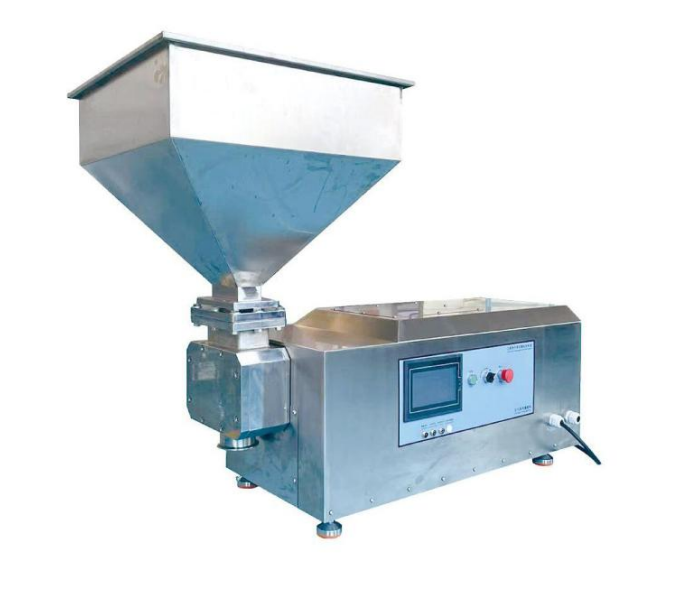
If you are a chili sauce manufacturer and are preparing to purchase a filling machine, you may find that there are many different types of equipment on the market.
There are many types of chili sauce filling machines, and you may not know how to choose the right chili sauce filling machine for your products.
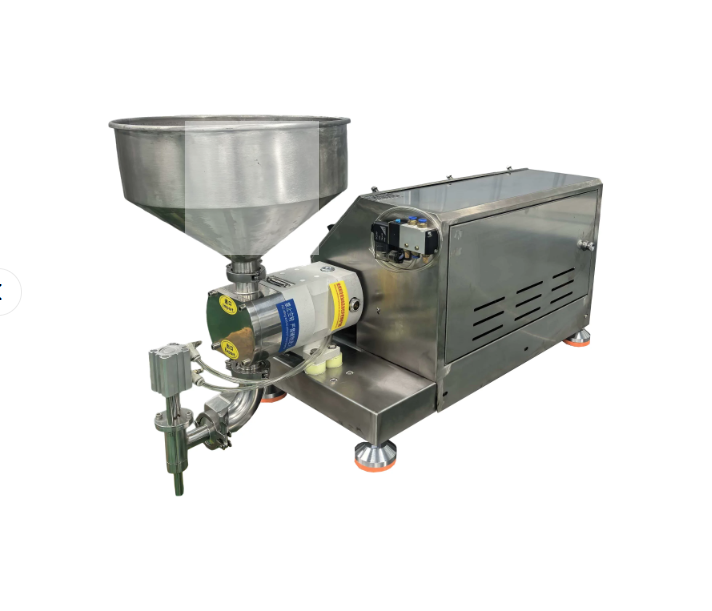
In particular, there are many different types of pumps used in filling machines, which makes the selection process even more difficult.
Next, I will explain how to correctly choose a suitable filling machine from several aspects.
First of all, we should not start by choosing the pump. Instead, we need to carefully understand the type and characteristics of our chili sauce. When I talk about the type of chili sauce here, I mainly mean two aspects:
1. Product Viscosity
How viscous is your chili sauce?
Although they are all chili sauces, not all chili sauces have the same viscosity. Some are relatively thick and have poor flowability, while others are relatively thin and have good flowability.
Flowability is one of the key factors when choosing a filling machine.
Therefore, even if two products are both chili sauce, different viscosities may require different filling systems and pump configurations.
If you know the viscosity of your product, you can provide the specific data to the supplier. You can also provide a real product sample, or provide photos and videos showing how the material flows, so that the supplier can make a further assessment.
2. Particle Size of the Material
Does your chili sauce contain large particles?
As we know, chili sauce manufacturers often mix other ingredients and particles into their products. This increases the difficulty of material transfer.
Therefore, the second thing we need to determine is whether the chili sauce contains particles, as well as the type and size of these particles.
The size and quantity of the particles, as well as the flow characteristics of the material itself, may all affect the filling equipment.
Therefore, for chili sauce containing particles, we should not only consider whether the machine “can fill the product”, but also consider:
- Pump type
- Filling nozzle size
- Whether the particles are likely to cause clogging
- Whether the particles are likely to be damaged
- Whether the material can be transferred stably
For example:
- Thin chili sauce
- Thick chili sauce
- Chili sauce containing chili seeds
- Chili sauce containing chili pieces
- Chili sauce containing garlic pieces or other particles
- High-viscosity chili sauce
Take a look at which situation applies to your product. By providing this information to the filling machine manufacturer’s customer service team, they can quickly help you select a suitable transfer pump and then determine the appropriate filling equipment.
I strongly recommend providing real product samples for testing. You can also provide videos of the actual material so that we can evaluate the product characteristics.
Therefore, when requesting a quotation, do not simply tell the supplier, “I need to fill chili sauce.” In most cases, this information alone is not enough for the supplier to effectively select the right equipment for you.
The above two points are the issues we, as a manufacturer, are most concerned about. They are directly related to the selection of the filling pump and the design of the filling method.
3. Filling Packaging
When designing the filling system, we also need to understand your packaging in detail.
For example:
- Glass bottles
- Plastic bottles
- Plastic jars
- Pouches
- Other special containers
Different types of packaging may require different filling methods and filling nozzle designs.
How much product needs to be filled into each container?
For example:
- 100 ml
- 250 ml
- 500 ml
The filling volume will affect the metering system and equipment configuration.
How many containers do you need to produce per hour?
For example:
- 500 bottles per day
- 2,000 bottles per day
- 5,000 bottles per day
- 10,000 bottles per day
Different production volumes require different machine speeds and levels of automation.
Do you need a semi-automatic or fully automatic machine?
If you are producing in small batches, a semi-automatic machine may already meet your production requirements.
If you are producing large quantities continuously, you may need a multi-head automatic filling machine, or even a complete automated production line.
What Information Should You Provide to the Supplier Before Purchasing a Filling Machine?
If you are preparing to purchase a chili sauce filling machine, we recommend preparing the following information in advance:
- Material/Product Name: Chili sauce, tomato sauce, salad dressing, honey, jam, etc.
- Material Viscosity: Is the product thin, medium-viscosity, or high-viscosity?
- Particles: Does the product contain particles? If so, it is best to provide the particle size.
- Packaging Type: Provide the dimensions and photos of the bottle, jar, pouch, or other container.
- Filling Volume: For example, 100 ml, 250 ml, 500 ml, or 1 liter per container.
- Production Speed: Tell the supplier how many containers you need to produce per hour or per day.
- Automation Requirements: Tell the supplier whether you need a semi-automatic or fully automatic machine.
- Filling Accuracy: If you have specific filling accuracy requirements, you should provide them in advance.
- Product Photos and Videos: If possible, provide photos and videos showing the actual material and its flow characteristics.
- Product Sample: If the supplier needs to conduct an actual test, you can provide a real product sample.
Why Is Actual Product Testing Important?
A machine may work very well for filling one type of chili sauce, but this does not mean that it will necessarily achieve exactly the same results with another type of chili sauce.
Therefore, before purchasing a filling machine, if possible, it is best to test the machine using the actual product.
Through actual product testing, we can further confirm:
- Whether the pump is suitable
- Whether the filling process is stable
- Whether the filling accuracy meets the requirements
- Whether the filling speed meets the requirements
- Whether the filling nozzle is suitable
- Whether the material is likely to cause clogging
- Whether the machine is easy to clean
This is more reliable than choosing equipment based only on the machine name or product photos.